In the fast-paced world of construction, design, and renovation, flooring plays a crucial role in defining a space’s aesthetic appeal, comfort, and durability. One solution that’s consistently rising in popularity is synthetic flooring. Designed using engineered materials, synthetic floors combine the best of both functionality and design to deliver high-performance surfaces that cater to a wide range of applications—from homes and offices to sports facilities and industrial zones.
What is Synthetic Flooring?
Synthetic flooring is a man-made alternative to Synthetic Flooring natural flooring materials like wood, stone, or ceramic. It is typically composed of PVC (polyvinyl chloride), rubber, polyurethane, acrylic, or a combination of other polymer-based compounds. These materials are specially engineered to offer resistance to wear and tear, moisture, impact, and weathering.
Popular types of synthetic flooring include:
- Vinyl flooring
- Rubber flooring
- Laminate flooring
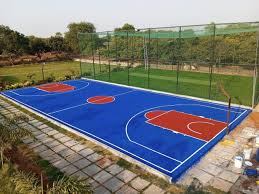
- Synthetic acrylic sports flooring
- Polyurethane flooring
- Synthetic turf (used for landscaping and sports)
Each of these has unique features tailored for different environments and usage needs.
Benefits of Synthetic Flooring
- Durability: One of the key advantages of synthetic floors is their ability to withstand heavy traffic and long-term usage. These floors resist scratches, dents, and water damage far better than many natural surfaces.
- Water and Moisture Resistance: Synthetic materials are inherently resistant to moisture, making them perfect for bathrooms, basements, kitchens, and even outdoor applications.
- Cost-Effective: Synthetic flooring provides the appearance of premium materials like hardwood or marble without the high costs. Installation is also typically faster and less labor-intensive.
- Low Maintenance: These floors are easy to clean and require minimal upkeep, often needing just a regular sweep or mop to maintain their shine and hygiene.
- Design Versatility: Available in a wide variety of textures, colors, and finishes, synthetic floors can be tailored to match any interior or exterior design concept.
- Eco-Friendly Options: Many modern synthetic floors are manufactured using recyclable or low-VOC materials, promoting healthier indoor air quality and environmental sustainability.
Applications of Synthetic Flooring
Because of its adaptability, synthetic flooring is suitable for a broad range of applications:
- Residential Spaces: Homeowners opt for vinyl or laminate synthetic flooring for areas like living rooms, bedrooms, kitchens, and hallways due to its comfort and design flexibility.
- Commercial Buildings: Offices, retail stores, and malls benefit from the durability and ease of maintenance synthetic flooring provides.
- Sports Facilities: Acrylic and polyurethane-based synthetic floors are widely used in indoor and outdoor sports courts, offering shock absorption, traction, and visual appeal.
- Educational Institutions: Schools and universities use synthetic floors in gyms, hallways, and cafeterias for safety, longevity, and cost efficiency.
- Industrial Areas: Factories and warehouses use synthetic flooring that can handle chemicals, abrasions, and heavy equipment without damage.
Choosing the Right Synthetic Flooring
When selecting the best type of synthetic flooring for your needs, consider the following:
- Traffic Level: High-traffic areas may require more durable and thicker materials.
- Moisture Exposure: Choose water-resistant flooring for bathrooms, kitchens, and basements.
- Installation Type: Some synthetic floors are better suited for DIY installation, while others may require professional setup.
- Aesthetic Preferences: Pick colors, patterns, and textures that align with your design vision.
- Budget: Synthetic options cater to various price ranges, ensuring a cost-effective solution for every project.
Conclusion
With the rise in demand for practical, stylish, and affordable flooring options, synthetic flooring continues to lead the way. Acrylic Flooring It’s a smart investment for homeowners, architects, builders, and facility managers alike. Offering durability, water resistance, design flexibility, and environmental friendliness, synthetic flooring stands out as a top contender in the modern flooring industry.
Whether you’re updating a residential space, building a commercial property, or constructing a sports arena, incorporating synthetic flooring ensures that your floors are built to last—without compromising on style or safety.
 digitaldata
Leave a comment